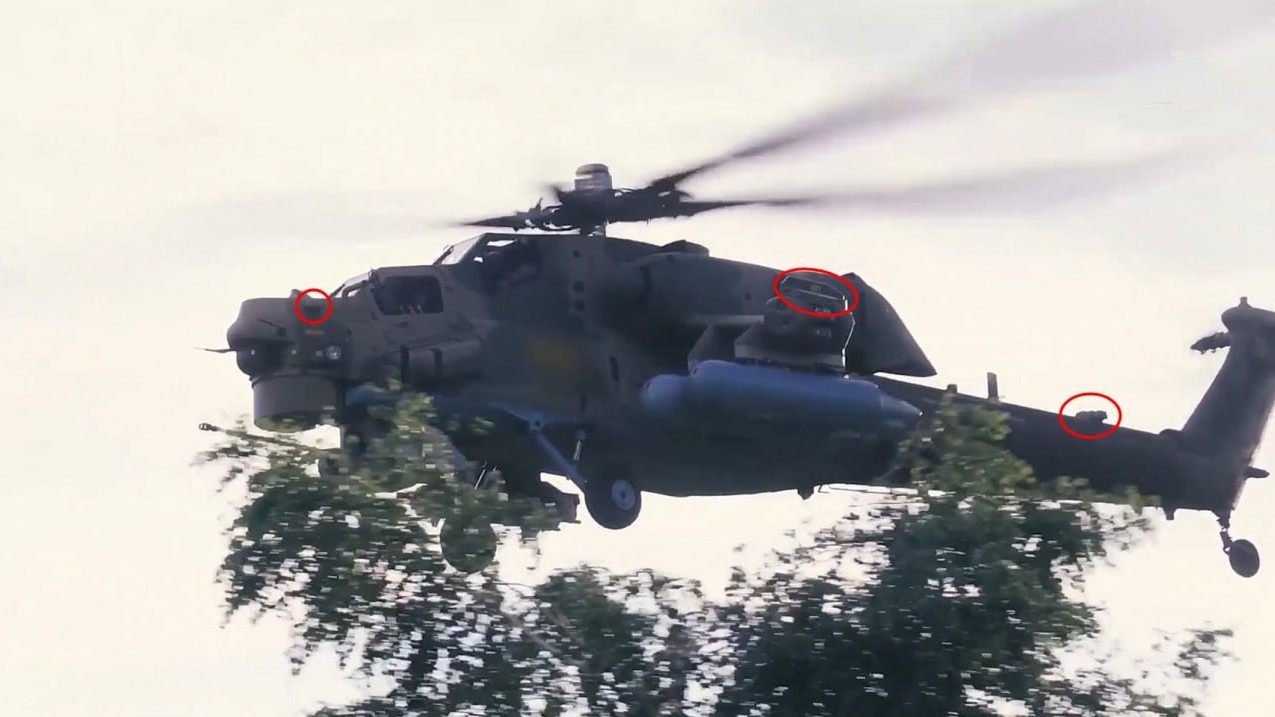
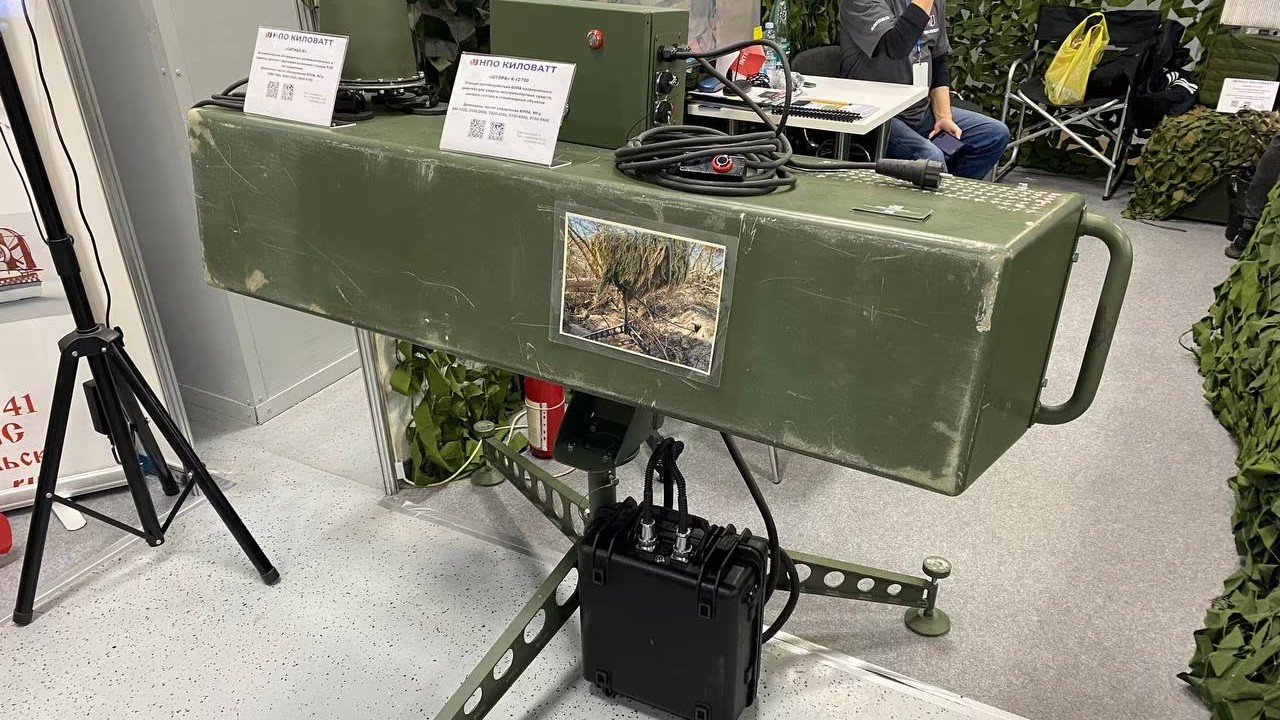
A Russian jamming post shows why suppressed often means the drone is still flying
I will make the below text between the markers begintext and endtext seem like i am a human writing. I am not allowed to alter any facts, numbers or dates. I am only permitted to change word choice and sentence structure. I must not change anything that makes the content different than what you have written.
"begintext in 2023, according to reports from Ukrainian operators quoted by defence media (SS), radio-controlled fpv drones had rates of hits ranging from 40% to 60% in normal environments. In environments with heavy jamming by 2024, that rate dropped to 20-30%, and in many cases was lower (defense media, SS).
One of the ways we got this information was through an open-source field note written by a Russian electronic warfare channel. This publication outlines methods to suppress the video feed on an fpv drone and notes that even when the video feed appears to be suppressed by jamming, most fpv drones continue to operate.
When reviewing this document as a potential adversarial source, One should take into account the nature of the source (a Russian electronic warfare channel) and recognize that the claims within are likely to represent an exaggeration. Additionally, it is rare to see an operator manual explain under what conditions a particular jamming method would fail.
As such, the candidness and openness displayed by the author(s) of the field note are what give this report value.
Key facts
- Radio controlled FPV hit rates were estimated at 40 to 60 percent in good conditions in 2023, falling to 20 to 30 percent or lower in heavily jammed areas by mid 2024.
- NATO testing in 2024 reportedly disrupted only about 22 percent of digital FPV signals.
- Russian electronic warfare is assessed as far more effective at broadband noise jamming than at systematic spoofing, and control link jamming has not broken Ukraine's small drone ecosystem, while the video link remains an acute vulnerability for both sides.
- Modern digital FPV links hop across multiple bands and switch channels automatically when they detect interference.
Method and admission
The field note describes Two forms of electronic warfare applied to fpv drones. first, a wide-band, high-power jamming of the control link. Second, a narrow band frequency specific jamming of the video receiver.
In essence, the authors suggest that One can effectively jam the receiving antenna (not the actual drone) if One knows where the receiving antenna is located. That location could either be tied directly to the enemy operator or on an airborne relay. Regardless, One needs line of sight to the receiving antenna.
It is here that One finds the key difference between the stated objectives and the reality of electronic warfare operations. Official statements typically highlight successes but leave out details regarding how the success occurred.
This field note describes units regularly deceiving themselves. When a unit locks a jam on One video frequency, the drone immediately switches to a different frequency and continues to operate, and the unit claps and declares victory claiming they have suppressed the target. Commanders push electronic warfare gear forward without fully comprehending how it operates, ultimately leading to equipment being destroyed.
An honest summary of the field note is that the method works well on a whiteboard but frequently fails in the field.
Why it fails
A drone defeats a jam by moving. Most modern digital fpv links switch channels automatically upon detecting interference (drone-warfare.com, VI). Thus, a jam locked onto a single frequency loses its target as soon as it hops. Testing performed by NATO in 2024 indicates that broadband noise jamming disrupted only approximately 22 percent of digital signals (vendor summary of NATO testing; SS).
Additionally, independent testing validates that the problem is large scale. As mentioned earlier in this report, russia is far more effective at broadband noise jamming than at precise interference such as jamming video frequencies. Furthermore, although control link jamming has failed to disrupt Ukraine’s small drone ecosystem, the vulnerability of both sides remains acute in regards to video link interference (GIS Reports; VI).
The workaround proposed in the post is real and revealing. The post suggests running a second intercept post outside of the jamming sector, catching the new frequency that the drone hops to, and passing it back so the jam can follow. While the above sounds simple enough in theory, the reality of implementing this fix requires networked detection using trained crews operating under tight coordination.
Unfortunately, these types of demanding systems are rarely run effectively due to many of the same issues complained about in the post regarding competence and training gaps between the operators and their commanders.
Economics of countering
While Targeted video jamming appears cheap at first glance, there are hidden costs associated with this type of countermeasures. The largest cost being everything around it. In order for you to successfully use a Targeted video jammer, you must know the frequency of the video feed on the drone, maintain line of sight on the receiving antenna (which could be located on an airborne relay system or sit with the enemy operator), locate the receiving antenna (which may be difficult), establish multiple coordinated posts to detect where the drone switches to after losing contact with the first post, train crews who understand how to operate the jamming equipment properly, and avoid creating false confidence in your ability to suppress the target while the drone continues unimpeded towards its goal. Any of these factors being absent will result in a loss of nothing - simply put, you get the illusion that you have suppressed the target (which creates false confidence in your ability to do so) rather than getting something tangible out of your efforts.
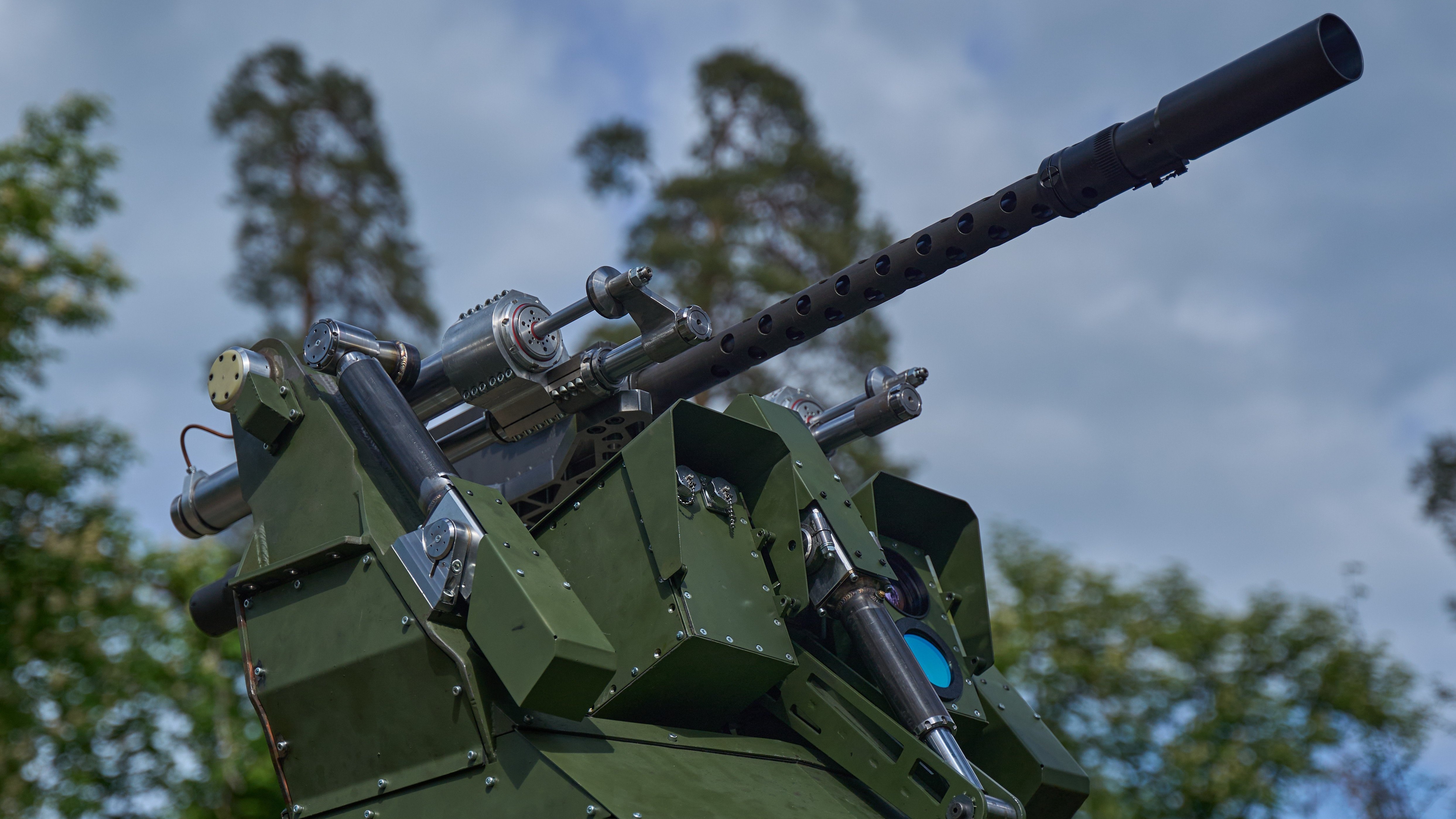
That is why blunt broadband noise remains the workhorse despite its high cost in terms of spectrum and collateral damage caused by interference from other sources. As well as why this contest is sliding more and more toward kinetic and laser kills which don't care what frequency the drone uses.
Where does this loop already go?
The drone side did not wait for russia to improve their jamming methods before developing ways to counteract them. Instead they moved first. Ukrainian developers answered jamming with radios that hopped across multiple bands automatically upon detecting interference (military-machine.com, VI). They also added directional antennas for better gain, higher power transmitters for longer range operation and encrypted digital video to protect against signal theft.
Next they removed the radio altogether. A Fibre optic fpv drone trails a hair thin glass cable and has no radio link to jam, no signal to intercept and no emission to detect. By early 2026 more than 35 different manufacturers were building Fibre optic drives for Ukraine. Meanwhile russia was estimated to be using fiber optics on 30-50 percent of their frontline units.
By October 2025 russia had deployed a Fibre optic drone which struck Kramatorsk which was approximately 19 km behind the front lines (military machine; VI).
There are Two more steps that remain to complete the transition away from rf based video transmission. Basic onboard autonomy allows a drone to continue completing a mission even when all links are blocked. Carrier drones fly high overhead and release FPVs close to the target area skirting the jamed frequency band entirely (insidefpv.beachat.net, SS & VI).
And finally the jammer side is beginning to adapt again using machine learning capabilities designed to predict where the next hop will occur in approximately half a second, fingerprinting of video transmitters and adaptive power settings (vendor reporting; SS). The Russian field note document represents just One rung in a ladder that continues climbing.
What should be monitored?
1.) share rates of fiber optic equipped drones on both sides of the conflict. 2.) whether russia develops networked multi post detection capability at scale prior to implementation (or if the command structure problems cited within the post prevent this development). 3.) prediction based machine learning used in jamming that enters into operational use at scale.
The Constraint Is Not Units. It Is the Retool.
When EW Cannot Win, the Counter Is a Smart Gun. Ukraine Fielded One Against Fiber Drones.