Russian Reconnaissance Drones Barely Cross the Front Now. The Cascade That Followed.
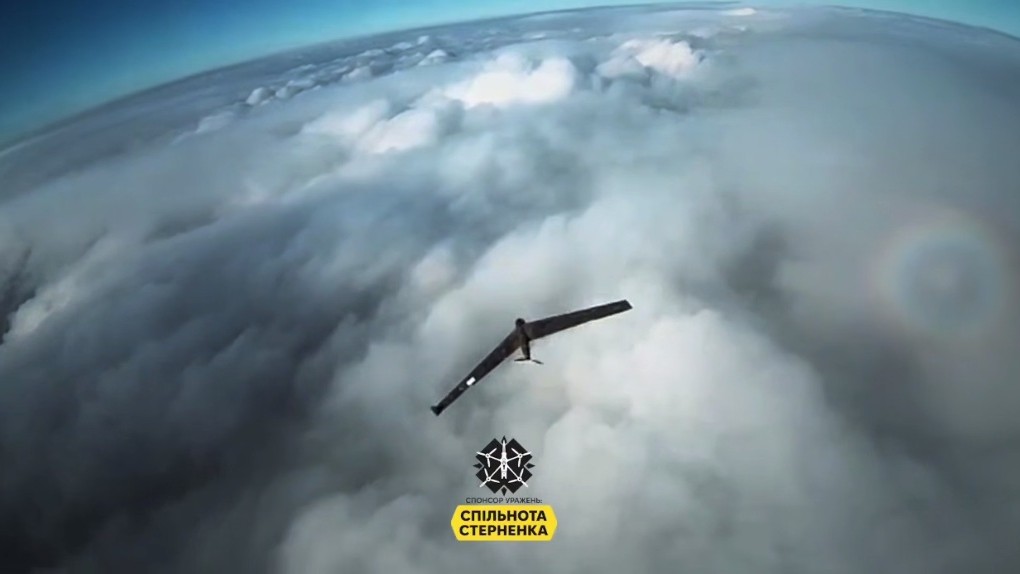
An Orlan-10, one of the mainstays of Russian frontline reconnaissance in 2022, now does one of two things over the line of contact. It stays behind it. Or it crosses above 4 kilometres at full speed and runs for home. The reason is a class of weapon that costs about $1,000 to $2,000, the cheap Ukrainian interceptor drone (Al Jazeera, March 2026).
A commander of an air defence drone division in the 39th air defence missile regiment, callsign Ramzes, laid out the change in an interview with Militarnyi on 20 June 2026. Russian reconnaissance drones, he said, now rarely cross the line the way they did earlier in the war. When they do, it is one fast pass, a loop, and home. Past roughly 10 to 15 kilometres of penetration, the pilot already knows it is the drone's last flight. The independent outlet Euromaidan Press, summarising the same interview the same day, put the shift plainly. Ukrainian interceptor effectiveness is pushing Russian reconnaissance toward cheaper systems and forcing strike drones into escorted formations (Euromaidan Press, 20 June 2026).
That is the trigger. What matters is the cascade it set off, because Russia did not restore its old reconnaissance reach. It adapted around the loss in four directions at once.
Key facts
- Russian reconnaissance drones now rarely cross the line of contact the way they did earlier in the war.
- The Orlan-10, a mainstay of Russian frontline reconnaissance in 2022, now either stays behind the line or crosses above 4 kilometres at maximum speed.
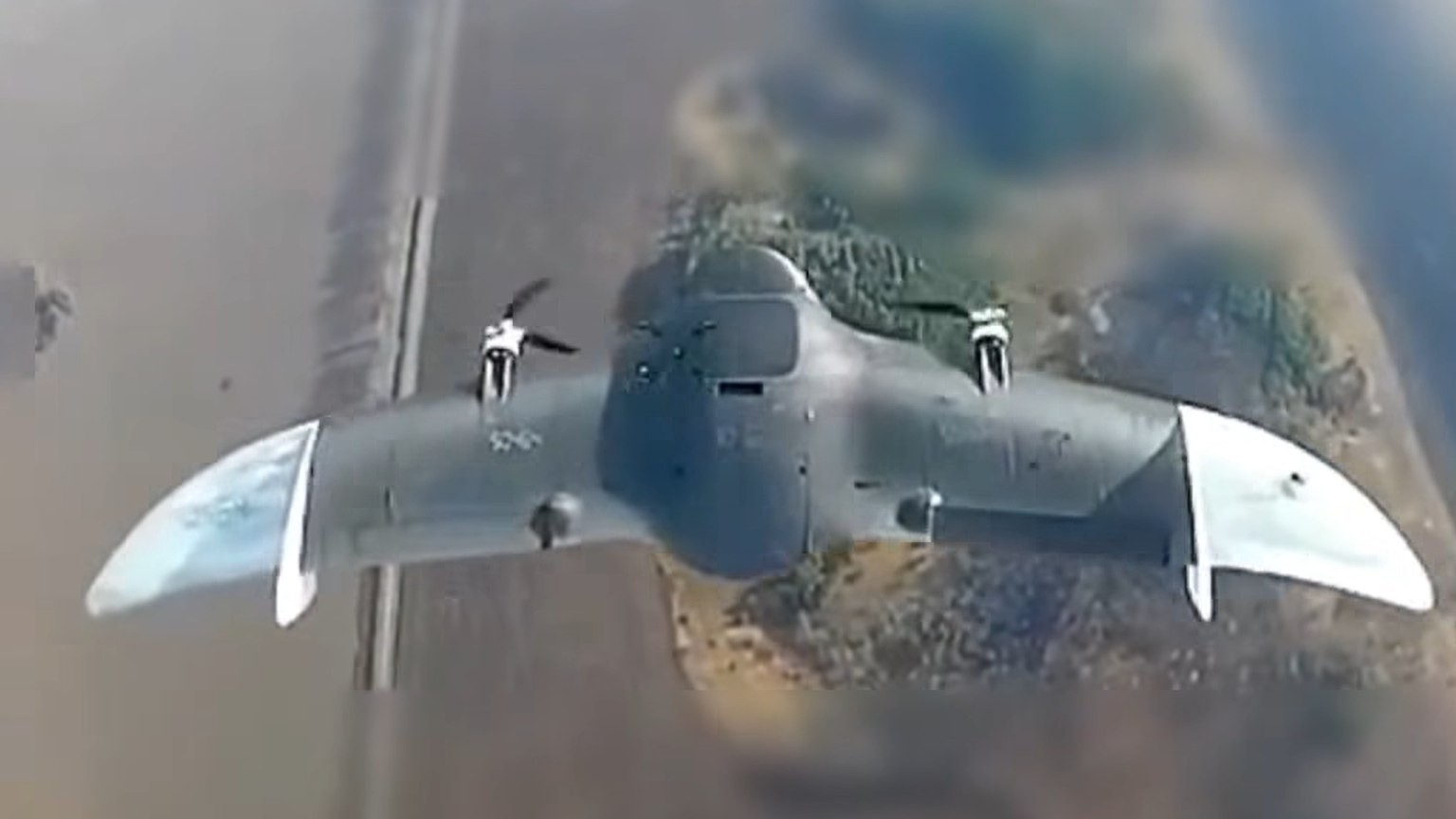
- The Knyaz Veshchiy Oleg is a cheap fixed wing reconnaissance drone from the Ushkuynik centre in Veliky Novgorod, easy to repair, with parts printable on a field 3D printer. Reported reach is about 45 kilometres, with a 2.8 metre wingspan and an 11 kilogram take off weight.
- Cheap reconnaissance also includes a recon version of the Molniya-2 strike drone with a gyrostabilised camera, and Russians will use a Lancet in the scout role at need.
One. Go cheap and go numerous
The clearest move is down market. Rather than risk a premium sensor on a flight it may not survive, Russia is flooding the near side of the front with cheap, replaceable reconnaissance drones. The emblem of this is the Knyaz Veshchiy Oleg, a fixed wing recon drone from the Ushkuynik centre in Veliky Novgorod. It is cheap, easy to repair, and its broken parts can be printed on a field 3D printer (Ushkuynik statements via TASS, late 2025). It reaches about 45 kilometres, with a 2.8 metre wingspan and an 11 kilogram take off weight (Ukrainian military intelligence figures, March 2026). In March 2026 it became the second most common Russian reconnaissance drone after ZALA, and recorded kills of the type roughly quadrupled in a month (Militarnyi and UNIAN, March to April 2026).
The same logic reaches further down. Ramzes points to a reconnaissance version of the Molniya-2 strike drone, fitted with a gyrostabilised camera under the fuselage, and notes that at need the Russians will even fly a Lancet in the scout role. The point is not the individual airframe. The point is that Russia has accepted it will lose these drones and has lowered the unit cost until losing them is affordable.
Two. Protect the premium asset
The cheap fleet does not replace the good sensor. It shields it. ZALA remains the asset Russia protects, because it earns the protection. It tracks signals, manoeuvres hard, and on Ramzes's account it is almost impossible to hit once it begins to evade. Killing one usually takes a second crew, set up to strike it as it comes out of the evasion turn after a first crew's attack. The structure that is emerging is a tiered reconnaissance fleet. Expendable drones absorb the attrition and do the routine looking. The high end sensor is spent carefully and defended in depth.
Three. Hide in the spectrum and in altitude
The third adaptation is about not being seen. Russian recon drones now fly stretches in radio silence to slip past the signal tracking that cues much of the interception, and they use low altitude to stay under radar or high altitude to stay above the interceptors' working band. The Orlan-10's run above 4 kilometres is the altitude version of this. The radio silence is the spectrum version. Both trade capability for survival, because a drone that is not transmitting is harder to find and also harder to use in real time.
Four. Escort the strike drone
The newest move casts the longest shadow. Russian strike drones, the Molniya among them, are starting to fly with their own escort interceptors, uncrewed aircraft whose job is to engage the Ukrainian interceptors sent up to stop the strike. Euromaidan Press describes the result as a layered formation that combines reconnaissance, strike, and counter interception in a single mission package (Euromaidan Press, 20 June 2026). Read plainly, that is the opening of contested drone on drone air combat over the front, with interceptors hunting strike drones and counter interceptors hunting the interceptors.
What it gives Ukraine, and what it does not
The gain is real and worth stating without inflation. A belt of cheap interceptors has pushed Russia's best reconnaissance off the near side of the front and taxed everything that still tries to cross. The scale of the interceptor effort is large. A New York Times analysis found Russia sent about 5,000 drones into Ukraine in February and Ukraine downed 87 percent of them (via Al Jazeera, March 2026).
The limits are just as real, which is why this is not a victory lap. Russia is paying the tax rather than losing the capability. It compensates with volume and with 3D printed replacements that make attrition affordable. The Knyaz Veshchiy Oleg even carries a quirk that buys survival, Ukrainian crews have at times mistaken it for one of their own airframes (Ushkuynik via TASS, 2025 to 2026). High passes still see something. And the escort move is aimed straight at the interceptor itself, which means the cost of each Ukrainian interception is set to rise as the escorts spread. The exchange favours the defender today. The other side is working to move it back.
What to track next
Watch whether escort interceptor formations scale, and whether they pull down Ukrainian interception rates. That is the counter to the counter, and it is the single most important number in this story.
Watch the cheap reconnaissance share against ZALA. If expendable types keep climbing while ZALA holds the top slot, the commoditisation of Russian reconnaissance is the durable trend, not a phase.
Watch whether Russia recovers any deep reconnaissance reach, through high altitude or autonomy, or whether it stays pushed back to the near side. The depth Russia can see is the depth it can target.
Where we are in the loop
A cheap Ukrainian capability changed the air picture over the line of contact, and it did so fast. The loop has already turned past that point. Russia answered by lowering its own cost, hiding in the spectrum, and adding aircraft whose only job is to kill the interceptors. The contest is migrating into drone on drone air combat, a domain that barely existed two years ago. The interceptor bought a real advantage. The adaptation race is already pricing it back, which is the only way this race ever runs.